Source White Identification Bird Foot Ring for Pigeons, Parrots, Quail
Compare 30 listings for the white identification bird foot ring designed for pigeon, parrot, and quail management. Buyers can evaluate specifications like material, frequency, and customization options from verified Chinese manufacturers; compare the available evidence and request quotations based on your requirements.
Key considerations
Products List




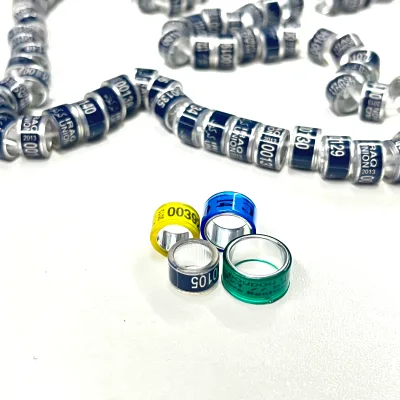
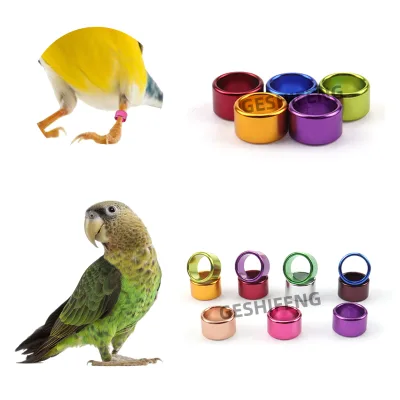
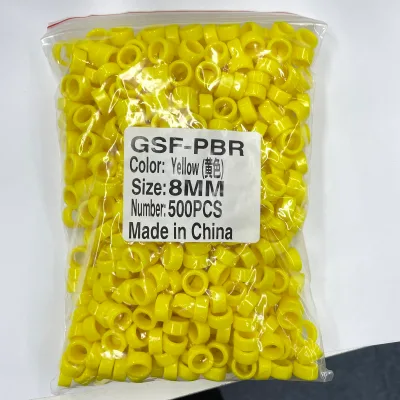
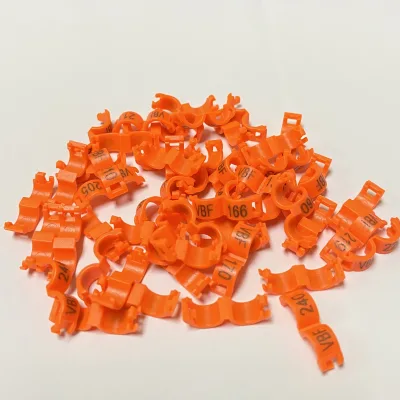
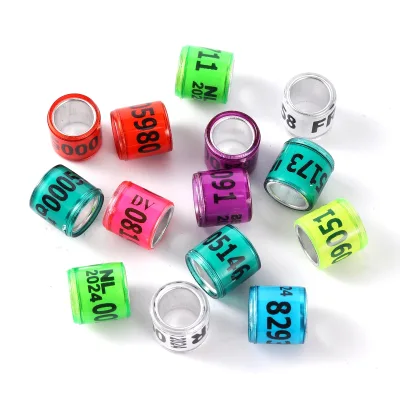


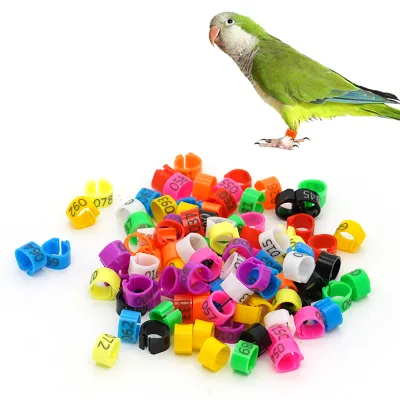
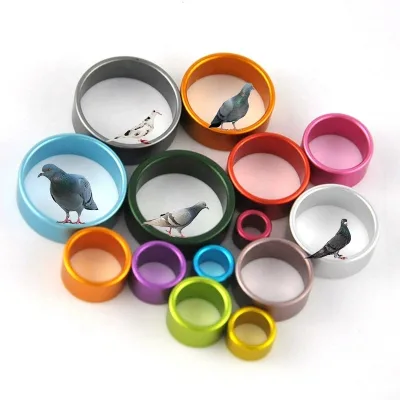
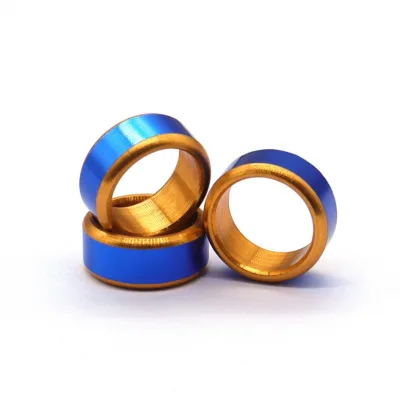
![[Color Aluminum Ring] Foot Ring, Carrier Pigeon Supplies, Marking Ring, Aluminum Multi-color Foot Ring, Closed Aluminum Ring](https://file.focusaim.com/api/image/preview/2f3b10e988a17ea801e4e1a724e634ee.png?bi=true&local=true)

Comprehensive Sourcing Guide
White Identification Bird Foot Ring Sourcing Guide
Procurement professionals must first distinguish between passive RFID-enabled rings and traditional mechanical identification bands when sourcing white identification bird foot rings. The market offers products ranging from simple plastic bands to advanced read-write cards capable of encrypting and decrypting data for individual bird management. Buyers should verify whether the specific listing supports the intended application, such as tracking pigeons or managing general bird populations, as the technology varies significantly between passive cards and standard mechanical rings.
Understanding the functional scope is critical before initiating contact with suppliers, as some listings describe products with parallel data transmission modes while others focus solely on physical identification. The observed product attributes indicate a mix of ultrahigh and low-frequency options, which dictates the necessary reader hardware for your facility. Sourcing teams must clarify if the required solution involves complex information processing or basic visual identification to avoid purchasing incompatible technology that cannot integrate with existing management systems.
Product Scope and Observed Listing Signals
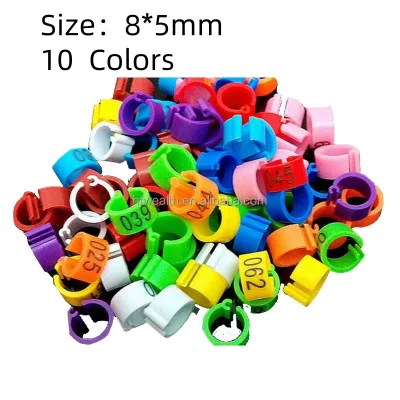
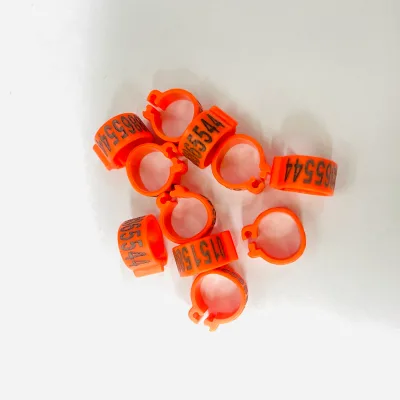
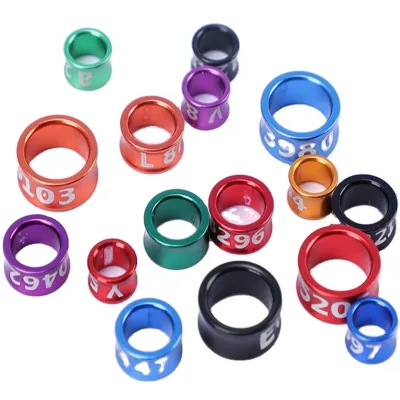
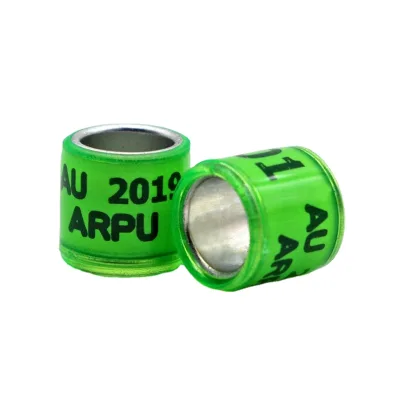
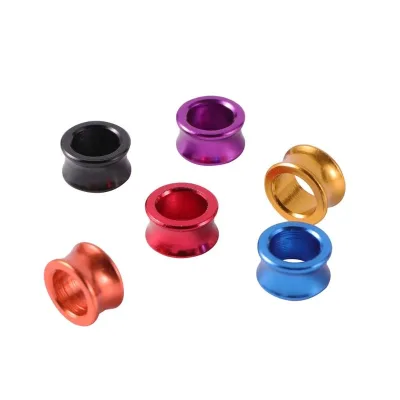
The available inventory signals a diverse range of specifications, including models with dimensions like 8mm diameter or 8x5mm sizes, catering to different bird species such as pigeons, parrots, and quails. Listings frequently highlight customization availability, allowing buyers to select specific colors like red, orange, black, or white to suit flock identification needs. This variability requires careful filtering to ensure the selected ring fits the target bird's anatomy while meeting the aesthetic or coding requirements of the specific management program.
Buyers should note that observed listings often specify a "Carton" or "Standard Carton" packing method with single package sizes around 10x5x5 cm, which impacts logistics planning and storage requirements. The product origin is frequently cited as China, with specific manufacturing hubs in Shenzhen and Anhui, suggesting a concentrated supply chain that may offer competitive pricing but requires rigorous quality verification. Sourcing teams must cross-reference these origin details with their own compliance requirements to ensure the supply chain aligns with corporate sourcing policies.
Technical Specifications to Verify
Technical due diligence must focus on the frequency and data transmission capabilities, as the market presents both ultrahigh frequency and low frequency options with parallel transmission modes. Verification is essential to confirm if the product functions as a read-write card or a passive identification tag, as this determines the complexity of the reader equipment needed for deployment. Buyers should explicitly request test data or sample units to validate the read range and data integrity before committing to a large-scale order.
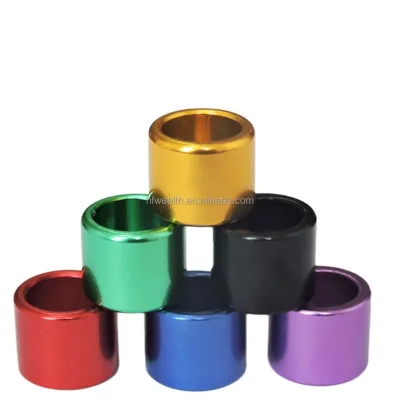
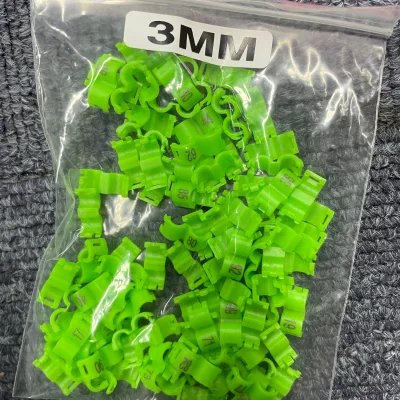
Material composition and physical durability are equally critical, with observed listings specifying plastic or aluminum construction in various colors including white, which must withstand outdoor conditions across all seasons. The thickness of 3mm and specific model numbers like BD-0060-0069 or BD-0036-0044 serve as unique identifiers for quality control, but buyers must confirm these specs match the actual physical product received. Ensuring the ring is reusable and eco-friendly, as claimed in some listings, requires independent verification of the material's resistance to wear and environmental degradation over time.
Compliance and Safety Documentation
While some listings reference ISO standards, buyers must demand specific certification documents proving that the materials used are safe for direct contact with birds and do not leach harmful substances. The absence of explicit safety test results in general product descriptions necessitates a proactive request for third-party laboratory reports, particularly regarding the plastic or aluminum components used in the rings. Procurement teams should verify that the product meets local animal welfare regulations and any specific industry standards for pet or agricultural equipment in the destination market.
Documentation regarding the data security features, such as encryption and decryption capabilities, is vital for operations involving sensitive bird tracking information. Buyers should require proof that the read-write method is non-contact and secure, ensuring that the identification data cannot be easily tampered with or accessed by unauthorized parties. Establishing a clear chain of custody for these compliance documents ensures that the supplier can be held accountable if the product fails to meet the agreed-upon safety or data protection standards during an audit.
Cost Drivers and Commercial Terms
Pricing in this category is influenced by the complexity of the technology, with passive RFID rings generally commanding different price points than advanced read-write cards capable of information processing. The observed price range of 0.01 to 68 USD reflects this disparity, but buyers must scrutinize whether the quoted price includes the necessary readers, software, or customization fees for specific colors and sizes. Understanding the total cost of ownership is essential, as the initial unit price may not account for the long-term maintenance or replacement costs associated with the specific material durability.
Minimum Order Quantities (MOQ) vary significantly, with some suppliers requiring as few as 2 units while others demand orders of 10,000 pieces or 500 to 1000 bags. These thresholds directly impact cash flow and inventory strategy, requiring buyers to balance the need for variety against the economies of scale offered by larger orders. Negotiating flexible terms regarding the selling units, such as single items versus bulk bags, can help optimize the procurement budget while ensuring sufficient stock to cover the operational needs of the bird management program.
Supplier Qualification and Quality Control
Supplier qualification should prioritize manufacturers with a proven track record in producing bird-specific identification products, as evidenced by their specific model numbers and application scenarios. Buyers must verify the supplier's ability to maintain consistent quality across different production runs, especially when customizing colors or dimensions for specific flock management needs. Requesting references from other clients in the bird tracking or agricultural sectors can provide insight into the supplier's reliability and their ability to meet delivery schedules consistently.
Quality control protocols must be established to ensure that the received goods match the specified attributes, such as the 3mm thickness and specific color options like white or red. Implementing a sampling plan based on the observed single gross weight of 0.06 kg per item can help detect discrepancies in material density or packaging integrity before full acceptance. Regular audits of the supplier's production line, particularly focusing on the molding or assembly processes for the foot rings, are essential to prevent defects that could compromise the identification system's effectiveness.
Long-Term Procurement Checks
Sourcing teams should establish a schedule for periodic re-evaluation of the product's performance in the field, specifically monitoring the durability of the rings under outdoor conditions and all-season usage. The initial observation of features like "easy to use" and "durable" must be validated through real-world data collected over time to ensure the product continues to meet operational standards. This long-term monitoring helps identify any degradation in the read-write capabilities or material integrity that might not be apparent during the initial sampling phase.
Continuous engagement with the supplier is necessary to adapt to evolving technology standards, such as updates in frequency requirements or data encryption protocols. Buyers should maintain open communication channels to discuss potential improvements, such as new color options or enhanced data saving capabilities, ensuring the procurement strategy remains aligned with future operational goals. By treating the supplier relationship as a dynamic partnership, organizations can secure a reliable supply of identification rings that support their long-term bird management and tracking objectives effectively.
FAQs
What material is used for white identification bird foot rings?
These rings are primarily made from durable plastic or aluminum to ensure longevity. The product specifications confirm materials include plastic and aluminum, suitable for various bird types like pigeons and parrots. This construction supports outdoor use across all seasons while maintaining structural integrity for identification purposes.
Can these rings be customized for specific bird sizes?
Yes, customization is available to fit different bird sizes and requirements. The product attributes explicitly state that customization is offered, with standard diameters around 8mm or fully customized options. This flexibility allows buyers to select rings that match specific tracking needs for pigeons or other birds effectively.
How long does the data storage last on these rings?
The data saving capability is designed to last for ten years of reliable operation. This long-term storage ensures that identification and tracking information remain accessible without frequent replacement. It supports continuous management of bird populations in various scenarios including tracking and general bird management applications.
Which frequency bands are used for these identification rings?
These rings operate using both ultrahigh frequency and low frequency bands depending on the specific model. The product facts list both frequencies as available attributes for different functional requirements. This dual-frequency capability allows for versatile identification and data transmission methods suitable for various market applications.
What is the minimum order quantity for purchasing these rings?
The minimum order quantity varies, with observed ranges starting from 2 pieces up to 10,000 pieces. Specific listings indicate MOQs of 10 bags or 500 pieces depending on the supplier. Buyers should verify the exact requirement with the manufacturer to ensure their order meets the specific vendor's threshold for production.
Are these rings suitable for outdoor use in all seasons?
Yes, these rings are designed for outdoor use and are suitable for all seasons. The product attributes confirm they withstand various weather conditions while remaining durable. Their construction ensures they remain effective for bird identification and tracking regardless of seasonal changes or environmental exposure.
How are these rings packaged for shipment?
The rings are typically packaged in standard cartons for safe transport. Product details specify packing methods include carton packaging with single package sizes around 10x5x5 cm. This standard packaging ensures the rings arrive securely and are ready for immediate distribution or use by the buyer.